Ten Stereotypes About Coffee Maker Bean To Cup That Don't Always Hold
Coffee Maker Bean to Cup Bean to cup machines are a convenient hands-off coffee maker that permits employees and customers to make the beverage of their preference. The machine handles all the work, including grinding coffee, brewing it, and texturing milk. 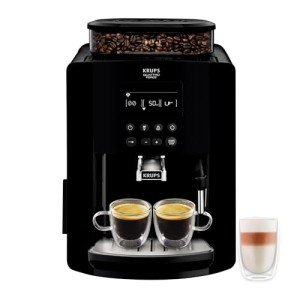 The machine has programmable settings to save time and is pre-set for consistent quality. It also has a recycling bin to reduce waste. Authenticity In contrast to pod coffee machines which use pre-ground beans, bean-to-cup machines grind whole beans prior to making the best and most authentic cup coffee possible. They also allow for more personalization, such as the option of choosing the amount of coffee ground, the kind of beans, and also the strength. Bean-to-cup machines can be used for making a variety of drinks like espresso shots, cappuccinos, lattes and more. Additionally, bean-to-cup machines can be paired with various milk types to make a more adaptable and customizable beverage. Bean-to-cup machines are also available equipped with automatic cleaning cycles to ensure an efficient cleaning and descaling. This is essential because it will keep the machine in good shape and prevent any damage from occurring over time. Many people believe that authenticity is the key to a happy and fulfilling life. Authenticity means being authentic and demonstrating to the world who you are. In this way, you'll be able to connect with the world around you in a more authentic and satisfying manner. Authenticity also means being true to your beliefs and values. The term “authentic” originates from Latin authentia, which translates to “true authentic.” When applied to people it refers to their personality and character, their genuine qualities. The notion of authenticity is a broad concept and it has numerous applications in both daily and philosophical discourse. It is an extremely important concept since it has the power to influence our beliefs and actions. Convenience A bean-to-cup coffee machine grinds the beans and then heats the water before it brews the drink all in one step. It is much faster than doing it manually. If you're working in a hurry and need to get it done, you can save your customers and employees time. They also make it easier to switch between different sizes of drinks. This allows precise measurements to be maintained and ensures that the same great taste remains the same for medium, large and small drinks. bean cup coffee machine reduces waste and saves money by preventing coffee from getting wasted. A bean-to-cup machine is also environmentally friendly. It's because it doesn’t use single-use materials like pods, sachets or filter paper. It is estimated that the amount of grounds used by pod machines can travel around the globe 14 times. So by switching to a bean-to cup model, this issue can be avoided. The majority of bean-to-cup machines come with a dedicated milk container along with the wand that froths. This allows you to offer a variety of milk-based drinks like cappuccinos and latte. This can also help your business reach out to a more diverse customer base and boost sales. Certain bean-to-cup models let you select the beans used and adjust the size of the grind, which provides more customisation than a traditional coffee machine or even a pod machine. This can give you an authentic and unique taste that isn't achievable using mass produced, pre-ground beans. Many models come with an automatic cleaning and descaling cycle, which is vital to ensure that your machine is running as efficiently as it can. This prevents the accumulation of minerals and oils that can affect your coffee's flavor and quality. This is essential to ensure that the machine is not damaged, and to comply with the health and safety rules. Be sure to review the manual that comes with your specific machine to find out what cleaning and maintenance products it requires and how often. This will ensure that your machine will continue to provide a delicious coffee for many years to come. Varieties There are many different coffee maker bean-to-cup models on the market. Some machines have the ability to dispense coffee and milk only (perfect for black coffee lovers). Others offer the full gamut of options, including cappuccino, espresso, flat whites and more. Some come with built-in frothers to froth milk. This is especially appealing to those who enjoy lattes, cappuccinos and other milk-based drinks as the machine is able to serve the drink and then texturize the milk to ensure it's exactly how they like it. Many bean-to-cup machines use whole beans that are ground right before brewing to ensure maximum freshness. This is an important factor in the flavor of the coffee that is brewed. Unlike pre-ground coffee that can lose flavor quickly, a bean-to- cup machine is able to capture the flavors and aromas of the beans while they are being ground. This freshness is what has made bean to cup machines so popular in recent years. The process of a bean-to- cup machine is similar in that it grinds and extracts a shot of espresso, but the main difference between them is that the bean to cup machines are automatic so there is less chance of error. This makes them ideal for use in offices and they can be programmed to make the exact same beverage each time. The bean-to-cup machine is simple to clean and maintain. Most are designed to be self-cleaning, and most have a rinse cycle that is run before the machine is switched off to ensure there are no residues left on the spouts or the milk reservoir. A lot of models also have an area that collects the used grounds that can be easily removed from an appropriate waste disposal device. The other important factor in the upkeep of a bean-to-cup device is the type of water that you use. Hard water can cause mineral buildup inside the machine much more quickly than soft or filtered water, so regular descaling is essential. The type of water that you choose to use can affect the taste of your espresso. Too many minerals can overwhelm the coffee while too little can leave a sour or salty taste in your mouth. Maintenance The machines will do everything for you, such as grinding and pressing the coffee beans, heating and texturizing the milk and adding the water. All you have to add is the amount you want to drink and hit a button. These machines are extremely popular with those who appreciate the convenience of café-style coffee however prefer to make it at home. It is crucial to remember that these machines are susceptible to issues such as low water temperature and improper tamping which could affect the quality of drinks. The best way to avoid these problems is to follow the instructions in your manual for your machine, particularly for cleaning and descaling. Regular cleaning keeps your machine free of mineral deposits and coffee splashes. It is also recommended to descale the machine at least every three months by using a solution created specifically for coffee makers or white vinegar which is less expensive and less damaging to your machine than commercial descaling solutions. It is recommended to run a complete brew and then empty the reservoir, before starting another brew cycle. This will ensure that all of the solution has been washed away. After that you should run a few clean water cycles to get rid of any vinegar residue and ensure that the machine is ready for use. Most bean-to-cup machines also have an additional milk container, as well as a frother wand to prepare milk-based drinks like lattes and cappuccinos. Certain models have adjustable settings for the temperature as well as the texture and foam levels of the milk so that you can make the drink to your preferences. Some manufacturers suggest that you clean your machine with a mixture of vinegar and water although others suggest denture cleaning tablets. These are good options because they are scented free and the fizzing action cleanses at a microscopic level, without affecting your coffee's flavor. Check the manual of your machine prior to using new cleaners or chemicals.